Sauce · Raw, for the asado
Salsa criolla
Salsa criolla is a raw relish of diced onion, bell pepper and tomato in vinegar and oil, served with chimichurri alongside grilled meat in Argentina and Uruguay. Its acidity cuts the fat of cuts like vacío and short ribs.
At a glance
- Origin
- Argentina and Uruguay; a different sauce in Peru
- Type
- Raw chopped vegetable relish in vinegar
- Yield
- About 500 ml / 2 cups
- Time
- 20 min + 30 min resting
- Keeps
- 2–3 days, refrigerated
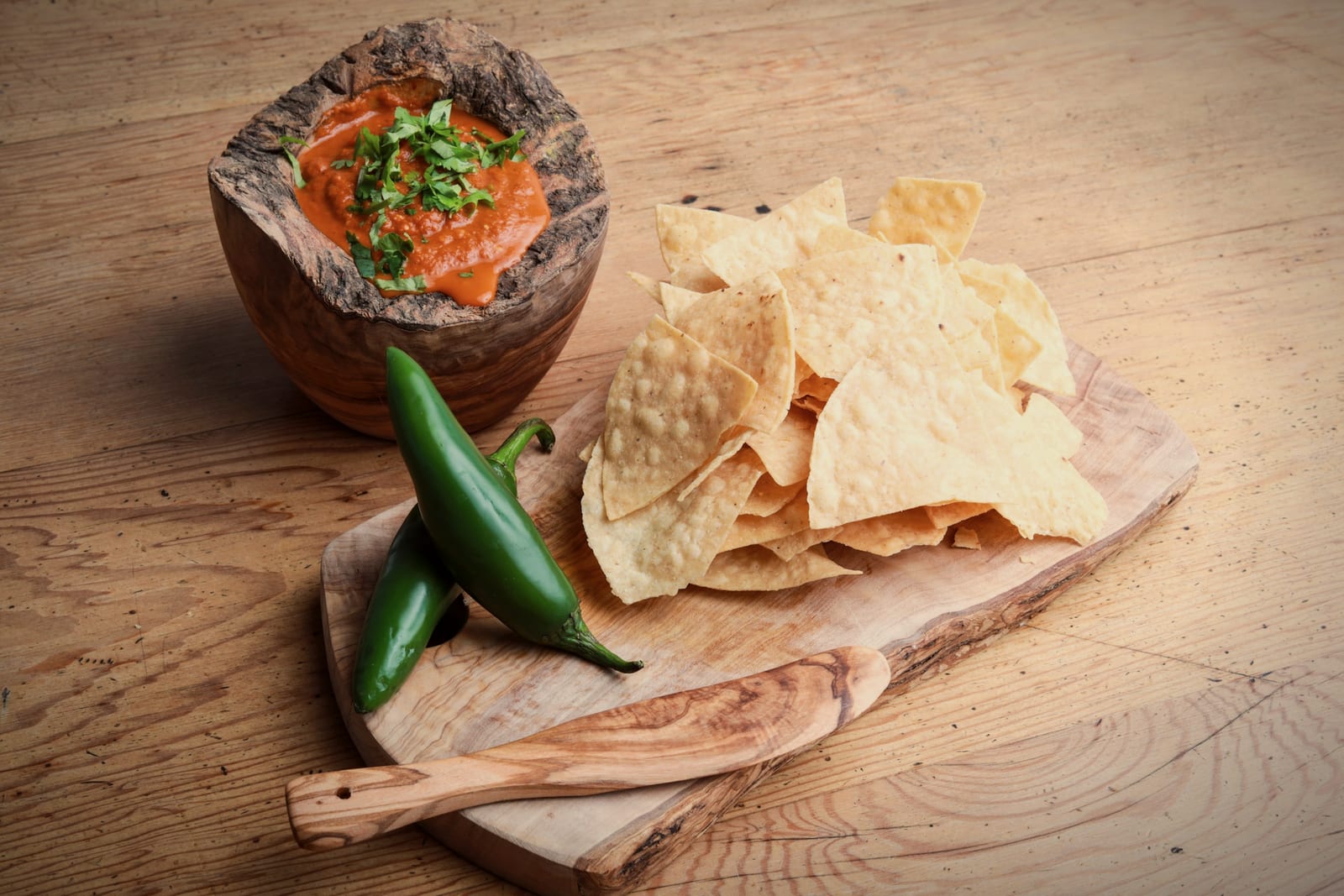
The asado's second sauce
In the Río de la Plata, salsa criolla is the second condiment of the asado, next to chimichurri. Where chimichurri is herbal and pungent, salsa criolla is fresh and crunchy: vegetables cut into small, even dice and left in a vinaigrette long enough to soften slightly without losing their bite.
It is spooned over grilled beef, sausages and sweetbreads, and over choripán. Its acidity cuts through the fat of cuts like vacío and short ribs.
Criollo means local
Criollo in Spanish America first meant people and things born in the colonies rather than in Spain, and later came to mean "local" or "traditional". Many dishes across Latin America carry the name, and they are not the same. The Argentine and Uruguayan salsa criolla belongs to the home and parrilla cooking of the 20th century; no single creator or date is recorded.
The Peruvian salsa criolla is a different preparation: thinly sliced red onion with lime juice, ají amarillo and cilantro, served with dishes such as butifarra sandwiches and grilled meats. Brazil's molho à campanha (or vinagrete), served with churrasco, is close to the Argentine version.
Ingredients
| Ingredient | Amount | Note |
|---|---|---|
| Onion | 1 large, about 200 g / 7 oz | white or red, finely diced |
| Red bell pepper | 1, about 150 g / 5 oz | seeded, finely diced |
| Green bell pepper | ½, about 75 g / 2½ oz | optional |
| Ripe tomatoes | 2, about 250 g / 9 oz | seeded, finely diced |
| Garlic | 1 clove | optional, minced |
| Red or white wine vinegar | 60 ml / ¼ cup | |
| Neutral oil | 120 ml / ½ cup | sunflower or corn |
| Dried oregano | 1 tsp / 1 g | |
| Salt, black pepper | to taste | |
| Chili flakes (ají molido) | a pinch | optional |
Method
- Dice the onion into pieces of about 5 mm / ¼ in. To soften its bite, soak it in cold salted water for 10 minutes and drain well.
- Dice the peppers and tomatoes to the same size. Remove the tomato seeds and pulp so the sauce does not become watery.
- Dissolve the salt in the vinegar, then add the oil, oregano, pepper and chili, if using.
- Combine the vegetables with the dressing; the liquid should coat them and pool slightly at the bottom.
- Rest for at least 30 minutes, and up to a few hours, before serving. Stir and taste again for salt and acidity.
Peru's red onion, Brazil's vinagrete
Some cooks add finely chopped parsley, scallion or a little garlic; others drop the tomato and keep only onion and peppers, which keeps longer. The Peruvian version is made with red onion cut into thin feathers, lime, ají amarillo and cilantro, and is eaten within an hour. Brazil's vinagrete uses more tomato and often green pepper.
Cool, with its liquid, same day
Salsa criolla is served cool, in a bowl with a spoon, so each diner takes it with the liquid. It goes with grilled beef, chorizo, sweetbreads and provoleta, and also with empanadas and boiled meats. Common mistakes: cutting the vegetables unevenly, leaving tomato seeds and juice, and making it a day ahead: the tomato softens and the onion becomes harsh.
Frequently asked questions
What is the difference between salsa criolla and chimichurri?
Chimichurri is based on parsley, garlic, oregano and chili in oil and vinegar; salsa criolla is diced raw onion, bell pepper and tomato in a vinaigrette. Both are served at the Argentine asado.
How long does salsa criolla last?
Two to three days in the refrigerator; it is best on the day it is made, as the tomato softens.
Is Peruvian salsa criolla the same as Argentine salsa criolla?
No. The Peruvian sauce is sliced red onion with lime, ají amarillo and cilantro; the Argentine one is diced onion, peppers and tomato in vinegar and oil.
Sources
3
- Mallmann, Francis; Kaminsky, Peter. Seven Fires: Grilling the Argentine Way. New York: Artisan, 2009.
- McGee, Harold. On Food and Cooking: The Science and Lore of the Kitchen, rev. ed. New York: Scribner, 2004.
- Acurio, Gastón. Peru: The Cookbook. London: Phaidon, 2015.
Related