Read in: EspañolTiếng Việt
Home›Steakhouses›Madrid
Spain
Steakhouses in Madrid
Madrid's steak culture rests on two traditions: the Basque asador, where a thick bone-in chuletón or txuleta is grilled over embers, and the Argentine and Uruguayan parrilla, which has grown fast in the city since the 2010s.
Basque grill houses reached the capital in the 1970s. Pedro Abrego opened Mesón Txistu in that decade and Asador Donostiarra in 1976, both in Tetuán, near the Bernabéu stadium; the Gorrotxategi family of Casa Julián de Tolosa, an asador founded in Tolosa (Gipuzkoa) in 1954, runs branches on Cava Baja and Calle de Ibiza. The dish at the centre is the chuletón (txuleta in Basque): a thick bone-in rib steak, salted coarsely and grilled over charcoal or holm-oak embers, often sliced and served on a hot plate.
Over the past two decades the meat itself has changed. Grills that once served young beef now name the animal: vaca vieja (older cows, often from Galicia or northern Spain), breeds such as Rubia Gallega, Frisona (Holstein) and Simmental, and aging times of 30 to 90 days or more. Rocacho serves beef aged at El Capricho in León; Carbón Negro and Roostiq buy whole ribs from Cárnicas Guikar.
Argentine and Uruguayan grills form the second group, concentrated in Chamberí, Salesas and Salamanca: wood-fired parrillas with cuts such as bife de chorizo, entraña and picaña, and beef from Argentina, Uruguay, the United States and Spain. In the World's 101 Best Steak Restaurants list, Lana placed 8th in 2025 and 5th in 2026, and Los 33 placed 28th and 57th.
Listed by name, never by payment or score. Facts last verified: 20 Oct 2026.
-
Al Fuego
Valdebebas · Est. 2024
Al Fuego
Valdebebas, Madrid
Style Argentine parrilla Beef Argentina, Spain Founded 2024 Why it is listedMadrid restaurant and butcher shop of an Argentine meat business with fourteen shops in Argentina, which won a gold and a silver medal at the 2023 World Steak Challenge; opened in January 2024.
Sources: timeout.es · neo2.com
Not yet verified: fire, aging, price
-
Asador Donostiarra
Tetuán · Est. 1976
Asador Donostiarra
Calle de la Infanta Mercedes 79, 28020 Madrid
Style Basque asador Price $$$ Founded 1976 Why it is listedFounded in 1976 by Pedro Abrego Velasco, four years after his Mesón Txistu; near the Bernabéu stadium, its walls are lined with photographs of footballers and other visitors.
Sources: esmadrid.com · timeout.es · timeout.com
Not yet verified: fire, beef, aging
-
Asador Guetaria
Cuatro Caminos · Est. 1983
Asador Guetaria
Calle del Comandante Zorita 8, 28020 Madrid
Style Basque asador Price $$$ Founded 1983 Why it is listedBasque asador open since 1983, serving ox chuletón alongside grilled sea bream and red beans.
Sources: timeout.es · guiadelocio.es · timeout.es 2
Not yet verified: fire, beef, aging
-
AskuaBarra
Sol
AskuaBarra
Calle de Arlabán 7, Madrid
Style Modern grill Price $$ Why it is listedInformal offshoot of the restaurant Askua; its lomo alto chop came from Cárnicas Luismi (Luismi Garayar) according to a 2020 survey of Madrid steak grills.
Sources: timeout.es · directoalpaladar.com
Not yet verified: fire, beef, aging, founded
-
Carbón Negro
Salamanca
Carbón Negro
Calle de Juan Bravo 37, Madrid
Style Modern grill Price $$$ Fire charcoal Beef Spain Why it is listedIts chop is from older cows from Jaizkibel, the mountain above Hondarribia (Gipuzkoa), supplied by Cárnicas Guikar and aged 40–45 days.
Sources: timeout.es · directoalpaladar.com · timeout.es 2
Not yet verified: aging, founded
-
101 Best
Casa Julián de Tolosa (Ibiza)
Retiro · Est. 2019
101 BestCasa Julián de Tolosa (Ibiza)
Calle de Ibiza 39, Madrid
Style Basque asador Beef Simmental, Frisona, Holstein, Rubia Gallega Founded 2019 Why it is listedThird Madrid branch (2019) of Casa Julián, the asador founded in Tolosa in 1954, which placed 7th in the World's 101 Best Steak Restaurants 2025; run by Iñaki Gorrotxategi.
Sources: timeout.es · elespanol.com · esmadrid.com · enprimeurclub.com
Not yet verified: fire, aging, price
-
Ceferino
Salamanca
Ceferino
Calle de Jorge Juan 27, Madrid
Style Argentine parrilla Why it is listedArgentine grill led by Jorge Maximiliano Danilewicz, winner of the 2022 World Championship of Ancestral Grillers in Medellín; finalist in the 2024 Restaurant and Bar Design Awards.
Sources: hola.com · timeout.es · forbes.cl
Not yet verified: fire, beef, aging, founded, price
-
Charrúa
Justicia (Salesas)
Charrúa
Calle del Conde de Xiquena 4, Madrid
Style Uruguayan parrilla Fire wood Beef Uruguay, Argentina, United States, Spain, Germany · Angus, Retinta, Rubia Gallega Why it is listedUruguayan grill named after the Charrúa people; diners choose the origin and aging of each cut, from Uruguayan and Argentine beef to Spanish Retinta and Rubia Gallega, cooked over holm oak and vine cuttings.
Sources: elespanol.com · timeout.es · directoalpaladar.com
Not yet verified: aging, founded, price
-
Michelin Guide
El Gran Asador Lecanda
Salamanca
Michelin GuideEl Gran Asador Lecanda
Calle de Lagasca 46, 28001 Madrid
Style Basque asador Price $$$ Why it is listedBasque-style grill listed in the Michelin Guide (€€€) for its grilled fish and meat, including a chuletón from older cows.
Sources: elespanol.com · guide.michelin.com
Not yet verified: fire, beef, aging, founded
-
Gayarre
Chamartín
Gayarre
Paseo de la Castellana 118, 28046 Madrid
Style Modern grill Fire wood · charcoal Why it is listedFormer Madrid nightlife venue reopened in 2026 as a grill restaurant built around a wood oven and a charcoal grill; its chuletón is aged 45 days.
Sources: timeout.es · timeout.es 2 · esmadrid.com
Not yet verified: beef, aging, founded, price
-
Gonzaba
Salamanca
Gonzaba
Calle de Hermosilla 103, Madrid
Style Modern grill Beef Spain · Rubia Gallega, Black Angus, Wagyu Why it is listedMadrid outpost of a Galician grill group with several restaurants in Galicia; two floors with a large aging room for whole pieces of beef.
Sources: timeout.es
Not yet verified: fire, aging, founded, price
-
Julián de Tolosa (Cava Baja)
La Latina
Julián de Tolosa (Cava Baja)
Calle de la Cava Baja 18, Madrid
Style Basque asador Price $$$ Why it is listedFirst Madrid branch of Casa Julián of Tolosa (founded 1954), in a 19th-century building; the family marked 30 years in Madrid in 2020. Run by Mikel Gorrotxategi.
Sources: hola.com · timeout.es · guiarepsol.com · directoalpaladar.com
Not yet verified: fire, beef, aging, founded
-
La Cabrera
Salamanca
La Cabrera
Calle de Velázquez 61, 28001 Madrid
Style Argentine parrilla Why it is listedFranchise of La Cabrera, the parrilla Gastón Riveira opened in Palermo, Buenos Aires, in 2002; the chain has about twenty restaurants in Latin America and beyond.
Sources: timeout.es · timeout.es 2 · forbesargentina.com
Not yet verified: fire, beef, aging, founded, price
Nearby
-
 101 Best
Lana
Chamberí · Est. 2022
101 BestLana
Calle de Ponzano 59, 28003 Madrid
Style Argentine parrilla Price $$$ Fire wood Beef Argentina, Spain · Aberdeen Angus, Rubia Gallega Founded 2022 Why it is listedOpened in January 2022 by brothers Martín and Joaquín Narváiz from Tandil; World's 101 Best Steak Restaurants n.º 8 in 2025 and n.º 5 in 2026; grill fired with Argentine quebracho wood.
Sources: hola.com · lanacion.com.ar · robbreport.com.my · enprimeurclub.com · timeout.es · guide.michelin.com
Not yet verified: aging
-
Leña
Chamberí
Leña
Hotel Hyatt Regency Hesperia, Paseo de la Castellana 57, 28046 Madrid
Style Modern grill Why it is listedMadrid version of chef Dani García's Marbella steakhouse, in the space of the former Santceloni at the Hyatt Regency Hesperia; diners choose a knife from a case brought to the table.
Sources: timeout.es · timeout.es 2
Not yet verified: fire, beef, aging, founded, price
Nearby
-
101 Best
Los 33
Salesas · Est. 2022
101 BestLos 33
Plaza de las Salesas 9, 28004 Madrid
Style Uruguayan parrilla Price $$$ Founded 2022 Why it is listedUruguayan-Spanish grill opened in May 2022; World's 101 Best Steak Restaurants n.º 28 in 2025 and n.º 57 in 2026.
Sources: hola.com · enprimeurclub.com · robbreport.com.my · reportergourmet.com · guide.michelin.com
Not yet verified: fire, beef, aging
-
Mesón Txistu
Tetuán
Mesón Txistu
Plaza de Ángel Carbajo 6, Madrid
Style Basque asador Why it is listedBasque asador opened in the 1970s by Pedro Abrego, who later founded Asador Donostiarra; the chuletón for two is brought to the table on a hot stone.
Sources: esmadrid.com · esmadrid.com 2 · gastroranking.es
Not yet verified: fire, beef, aging, founded, price
-
101 Best
Piantao (Chamberí)
Chamberí · Est. 2022
101 BestPiantao (Chamberí)
Calle de Sagasta 30, 28004 Madrid
Style Argentine parrilla Fire wood Beef Argentina, United States, Australia, Canada · Aberdeen Angus, Wagyu cross, Hereford · Argentine Angus: grass-fed (humid Pampa) Founded 2022 Why it is listedSecond Piantao (May 2022) of Argentine grill cook Javier Brichetto, after the original in Legazpi; grills fed with holm oak, Cuban marabú and quebracho. Piantao was n.º 59 in the World's 101 Best Steak Restaurants 2024.
Sources: hola.com · timeout.es · directoalpaladar.com
Not yet verified: aging, price
-
Raza
Chueca
Raza
Calle del Barquillo 8, Madrid
Style Argentine parrilla Beef Spain, Germany, Finland · Retinta, Simmental, Ayrshire Why it is listedArgentine grill whose second branch, near the Bernabéu (2023), is run by Antonio Aguilar, a co-founder of the La Vaca Argentina restaurants in the 1990s; cuts include Cádiz Retinta, German Simmental and Finnish Ayrshire.
Sources: timeout.es · timeout.es 2
Not yet verified: fire, aging, founded, price
-
Rocacho
Chamartín · Est. 2017
Rocacho
Calle del Padre Damián 38, Madrid
Style Basque asador Price $$$ Beef Spain Founded 2017 Why it is listedOpened in summer 2017 as the first Madrid restaurant to serve beef aged at El Capricho (Jiménez de Jamuz, León), sold by José Gordón, with chops aged 40 or 90 days.
Sources: timeout.es · directoalpaladar.com · directoalpaladar.com 2
Not yet verified: fire, aging
-
Michelin Guide
Rocacho Plaza
Salamanca
Michelin GuideRocacho Plaza
Plaza del Marqués de Salamanca 9, Madrid
Style Basque asador Price $$$ Fire wood Beef Spain Why it is listedSecond Rocacho in central Madrid, listed in the Michelin Guide; it distributes in Madrid the ox beef from El Capricho and grills seafood over holm-oak embers.
Sources: timeout.es · guide.michelin.com
Not yet verified: aging, founded
-
Roostiq
Chueca
Roostiq
Calle de Augusto Figueroa 47, Madrid
Style Modern grill Price $$$ Fire wood · charcoal · gas Beef Spain Why it is listedBuys whole 15–20 kg ribs from Cárnicas Guikar in the Basque Country and cuts them into chops of about 1 kg aged 30 or 40 days; vegetables come from a farm in Palazuelos (Ávila).
Sources: timeout.es · directoalpaladar.com
Not yet verified: aging, founded
-
Rubaiyat Madrid
Chamartín
Rubaiyat Madrid
Calle de Juan Ramón Jiménez 37, 28036 Madrid
Style Brazilian churrascaria Price $$$ Beef Brazil Why it is listedFirst Spanish restaurant of the Brazilian Rubaiyat group; much of its beef is raised on the owners' farm, Fazenda Rubaiyat, in Brazil.
Sources: timeout.es · directoalpaladar.com · guide.michelin.com
Not yet verified: fire, aging, founded
-
 Michelin Guide
Sua
Las Letras
Michelin GuideSua
Calle de Moratín 22, Madrid
Style Basque asador Price $$$ Why it is listedBasque-style grill of the Triciclo group, moved from El Corte Inglés on Castellana to Las Letras; listed in the Michelin Guide (€€€).
Sources: timeout.es · guide.michelin.com · alimarket.es
Not yet verified: fire, beef, aging, founded
Frequently asked questions
What is a chuletón or txuleta?
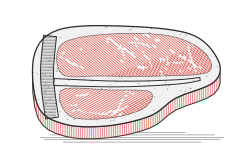
A thick bone-in rib steak, usually 1–1.5 kg, cut from the fore rib (lomo alto) and meant for sharing. It is salted with coarse salt, grilled over embers until charred outside and rare inside, then sliced at the table, often on a hot plate so each diner can cook it a little more.
What does vaca vieja mean?
Literally "old cow": beef from cows that have lived several years, often dairy or working animals, valued in Spain for deeper flavour and yellow fat. Madrid asadores usually state the breed (Rubia Gallega, Frisona, Simmental) and the aging time, from about 30 to 90 days.
Where does the beef in Madrid steakhouses come from?
Basque-style asadores mostly use Spanish beef from Galicia, the Basque Country and Castilla y León, sometimes from Portugal; Argentine and Uruguayan grills combine beef from Argentina and Uruguay with American, Australian, German and Spanish cuts.
Related